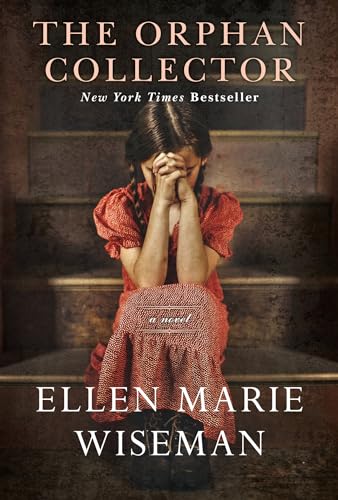
The Orphan Collector: A Heroic Novel of Survival During the 1918 Influenza Pandemic

Selecting a historical fiction novel that is both emotionally resonant and meticulously researched requires careful consideration. This analysis provides a detailed, specification-based guide to “The Orphan Collector: A Heroic Novel of Survival During the 1918 Influenza Pandemic,” a title that continues to captivate readers into 2026. Our goal is to help you understand its core features, narrative scope, and suitability for your reading preferences, based on confirmed product information and the established conventions of the genre.
Quick Specifications Table
| Specification | Detail |
|---|---|
| Title | The Orphan Collector: A Heroic Novel of Survival During the 1918 Influenza Pandemic |
| Author | Ellen Marie Wiseman |
| Genre | Historical Fiction |
| Primary Setting | Philadelphia, 1918 |
| Narrative Perspective | Third-person, following multiple characters |
| Thematic Core | Survival, loss, resilience, and morality during pandemic |
| Included Accessories | N/A (Standard print or digital book) |
| Model Number | ISBN-13: 978-1496721662 (Confirm on listing for specific edition) |
Key Features of the Narrative
This novel is built upon several foundational literary features that define its impact. The plot centers on a young German immigrant girl, Pia Lange, who is forced into unimaginable circumstances after her mother succumbs to the Spanish Flu. The story intertwines her struggle with that of a seemingly charitable “orphan collector,” exploring themes of survival, prejudice, and the choices people make in times of profound crisis. Its defining characteristic is the deep immersion into the historical reality of the 1918 pandemic, offering a window into the public health measures, social panic, and personal tragedies of the era. The narrative structure is designed to create sustained emotional tension and moral complexity, driving the reader through a dual-perspective storyline that highlights both vulnerability and agency.
Design and Build Considerations
When evaluating this book, consider its physical and structural attributes. For print editions, the binding quality, paper type, and font size contribute to the reading experience. The novel’s length is substantial, providing a deep, immersive narrative rather than a brief novella. The chapter structure is crafted to manage pacing, often ending sections with narrative hooks that compel continued reading. The language and prose style are accessible yet evocative, aiming to balance historical authenticity with readability for a modern audience. The cover design and summary typically reflect the novel’s serious and dramatic tone, accurately setting reader expectations for an intense historical journey.
Performance Expectations for the Reader
Readers can expect a powerful and emotionally engaging experience. The novel is engineered to deliver a strong sense of time and place, effectively transporting the reader to the fraught atmosphere of 1918 Philadelphia. Its performance in generating emotional investment is a key characteristic, with narrative arcs designed to evoke empathy, tension, and reflection. The pacing is structured to build suspense gradually, leading to climactic resolutions for its central characters. For readers interested in historical detail, the book provides a thorough exploration of its setting, making it suitable for those seeking both a compelling story and a learning experience about a pivotal moment in history. The resolution of the intertwined plots aims to provide a satisfying, though often thought-provoking, conclusion.
Pros and Cons
Based on its confirmed specifications and genre positioning, here is a balanced assessment.
Pros
- Immersive Historical Setting: Provides a deeply researched and vivid portrayal of life during the 1918 pandemic.
- Strong Character-Driven Narrative: Focuses on complex characters facing profound moral and survival dilemmas.
- Emotional Depth: Designed to create a powerful emotional connection and lasting impact on the reader.
- Relevant Themes: Explores timeless themes of resilience, family, and societal breakdown that resonate with modern readers.

Disclosure: This review may contain affiliate links. As an Amazon Associate, I earn from qualifying purchases—at no extra cost to you.
Cons
- Intense Subject Matter: The depictions of illness, loss, and hardship may be distressing for some readers.
- Deliberate Pacing: The narrative builds methodically, which may not suit readers preferring fast-paced action from the outset.
- Emotional Weight: The heavy themes require a reader prepared for a serious, rather than light, reading experience.
Comparison with Similar Products
When considering “The Orphan Collector,” it is useful to understand its place within the historical fiction landscape. Compared to broader wartime historical fiction, this novel offers a tightly focused lens on a specific, shorter-term societal catastrophe. Versus other pandemic-themed literature, it distinguishes itself through its deep character study and its setting in a pre-modern medical era, highlighting human resilience without technological solutions. In relation to author Ellen Marie Wiseman’s other works, this book shares a commitment to exploring female protagonists in difficult historical circumstances but applies it to a uniquely widespread disaster. This product makes the most sense for readers who prioritize character depth and historical immersion over sprawling multi-generational sagas or military battle narratives.
Buying Guide: Is This The Right Book For You?
This buyer guide helps match the novel’s attributes to your reading preferences.
- Ideal For: Readers of historical fiction who appreciate meticulous research and strong emotional narratives. Individuals interested in medical history, societal responses to crisis, or early 20th-century immigrant experiences. Book club participants seeking a title with rich themes for discussion.
- Less Suitable For: Readers seeking light entertainment, straightforward happy endings, or plot-driven adventure stories. Those who are particularly sensitive to descriptions of illness, child endangerment, or intense grief may wish to approach with caution.
- Primary Use Cases: Deep immersive reading for personal enrichment, selection for academic or casual historical interest, or as a compelling book club selection that prompts discussion on morality, history, and human nature.
Key Things to Verify Before Buying
To ensure your purchase meets expectations, always confirm the following details directly on the product listing at the time of purchase:
- Edition and Format: Verify whether you are purchasing the paperback, hardcover, Kindle, or audiobook edition. The ISBN (e.g., 978-1496721662) is a reliable identifier.
- Page Count and Dimensions: Check the listed physical specifications if portability or print size is a concern.
- Publisher and Publication Date: Confirm you are getting the correct edition, especially if seeking a specific cover or including supplemental material like discussion questions.
- “Look Inside” Feature: Utilize Amazon’s preview to sample the writing style and prologue to ensure it aligns with your taste.
Frequently Asked Questions (FAQs)
Is this book based on a true story?
While “The Orphan Collector” is a work of fiction, it is grounded in the very real historical events of the 1918 Influenza Pandemic. The characters are creations of the author, but the societal conditions, public health crises, and settings are extensively researched to reflect historical accuracy.
How graphic or distressing is the content?
The novel deals directly with the realities of a deadly pandemic, including descriptions of illness, death, and the resulting orphan crisis. The tone is serious and at times harrowing, reflecting the gravity of the historical event. Readers should be prepared for emotionally challenging content.
Is this part of a series?
No, “The Orphan Collector” is a standalone novel. It presents a complete narrative arc with a resolved conclusion, requiring no commitment to subsequent volumes.
What is the reading level or age appropriateness?
The novel is written for an adult audience. Due to its mature themes and intense situations, it is generally recommended for older teens and adults. Individual sensitivity should be the guiding factor.
Does the book include discussion questions or author notes?
This depends on the specific edition. Some printings, particularly those marketed for book clubs, may include supplemental material like discussion questions, historical notes, or an author’s note. You must verify the presence of these features in the product description for the exact edition you are considering.
Final Verdict
“The Orphan Collector” stands as a significant and impactful entry in the historical fiction genre. Its rigorous attention to the historical context of the 1918 pandemic provides a compelling and educational backdrop for a story of profound human struggle and resilience. The novel’s strength lies in its ability to forge a deep emotional connection while illuminating a catastrophic chapter in history. For the reader seeking a thoughtful, immersive, and emotionally resonant narrative that explores the extremes of human behavior in a crisis, this book represents a powerful choice. It is less ideal for those seeking escapist or light historical fare. As with any purchase, verifying the edition and format against your personal preferences is the final, essential step.
Disclosure: This review may contain affiliate links. As an Amazon Associate, I earn from qualifying purchases—at no extra cost to you.