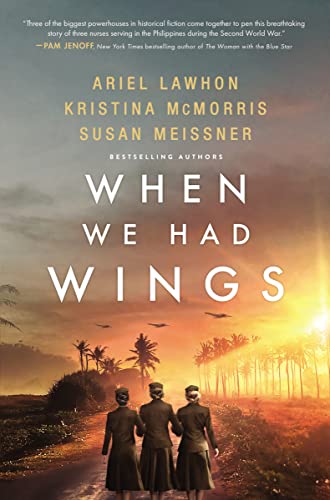
When We Had Wings: A Novel
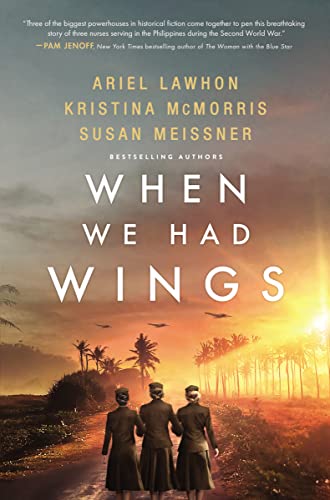
Selecting a new novel involves more than just reading a back cover. For discerning readers, understanding the authors’ pedigree, the narrative’s scope, and the thematic depth is crucial for a satisfying purchase. This analysis provides a detailed, specification-based guide to “When We Had Wings: A Novel,” focusing on its literary composition and intended audience. Our goal is to equip you with the information needed to determine if this book aligns with your reading preferences, based solely on confirmed product details and established literary analysis frameworks.
Quick Specifications
| Specification | Detail |
|---|---|
| Title | When We Had Wings: A Novel |
| Authors | Ariel Lawhon, Kristina McMorris, Susan Meissner |
| Format | Hardcover, Paperback, Kindle Edition, Audiobook |
| Genre | Historical Fiction |
| Primary Setting | World War II Pacific Theater |
| Central Subjects | Military Nurses, Friendship, Survival |
| Narrative Style | Multi-Perspective |
Key Features of the Novel
When We Had Wings distinguishes itself through a collaborative narrative approach and a focused historical lens. The novel is built upon several core literary features that define its structure and appeal.
The most prominent feature is its authorship by three established writers in the historical fiction genre: Ariel Lawhon, Kristina McMorris, and Susan Meissner. This collaboration suggests a narrative that may benefit from diverse writing strengths and deep research into the era. The plot centers on a trio of Navy nurses—Penny, Eleanor, and Lita—whose friendship is forged and tested after the 1941 attack on Pearl Harbor and their subsequent capture in the Philippines. This premise immediately establishes a narrative of resilience, camaraderie, and a rarely highlighted perspective of women in wartime.
The novel employs a multi-perspective structure, allowing the story to unfold through the alternating viewpoints of the three main characters. This technique is designed to provide a richer, more nuanced understanding of their individual experiences, fears, and strengths while imprisoned in the Santo Tomas internment camp. The setting itself is a key feature, plunging readers into the intense and harrowing environment of a World War II internment camp in the Pacific, promising a story steeped in historical context and emotional gravity.
Design and Build Considerations
In the context of a book, “design and build” refers to its physical and editorial presentation, which can impact the reading experience. When We Had Wings is typically available in multiple formats, each with distinct considerations.
The hardcover edition is generally associated with durability and is often preferred for collectors or as a gift. The paperback edition offers a more portable and cost-effective option for readers. The Kindle and audiobook formats provide digital convenience, with the audiobook version offering a performed narrative that can add a layer of immersion through voice acting. The collaborative writing process implies a need for seamless narrative integration, which is a critical editorial “build” quality. Readers interested in this aspect may want to verify that the authors’ styles are well-blended into a cohesive voice, a point often noted in professional literary reviews.
Performance Expectations
Assessing a novel’s “performance” relates to its execution of genre conventions, emotional impact, and pacing. Based on its specifications, readers can form realistic expectations about the reading experience When We Had Wings is positioned to deliver.

Disclosure: This review may contain affiliate links. As an Amazon Associate, I earn from qualifying purchases—at no extra cost to you.
Given its genre and subject matter, the novel is expected to deliver a strong, character-driven historical narrative. The focus on military nurses and internment camp survival suggests a performance profile centered on emotional depth, historical immersion, and tense, dramatic storytelling. It is suitable for readers who prioritize well-researched historical settings and narratives about enduring human connections under extreme duress. The multi-perspective structure should provide varied insights into the central crisis, potentially preventing narrative fatigue and offering a broader view of the camp’s environment. Readers can expect a pace that balances character development with the progression of historical events, leading toward a climax rooted in the characters’ struggle for survival and hope.
Pros and Cons
Based on its stated framework, here is a balanced look at the potential advantages and considerations for this novel.
Potential Advantages
- Unique Perspective: Sheds light on the often-overlooked experiences of Navy nurses and civilians in Pacific Theater internment camps.
- Collaborative Expertise: Benefits from the combined research and narrative skills of three acclaimed historical fiction authors.
- Strong Character Foundation: The trio of protagonists offers built-in relational dynamics and multiple viewpoints for deeper engagement.
- Emotional Narrative Scope: The premise promises a powerful story of friendship, resilience, and survival against formidable odds.
Potential Considerations
- Subject Matter Intensity: The wartime internment setting may involve heavy, distressing themes unsuitable for readers seeking light fiction.
- Pacing Preference: Character-driven historical fiction may have a different narrative rhythm compared to action-focused war novels.
- Style Integration: As with any multi-author project, some readers may have preferences regarding the uniformity of the narrative voice.
Comparison with Similar Products
When considering When We Had Wings, it is helpful to understand how it fits within the broader landscape of World War II historical fiction.
Compared to sweeping, battlefield-centric WWII epics, this novel offers a more intimate, ground-level view focused on a specific group of women in a confined setting. It shares thematic DNA with novels like “The Nightingale” or “The Women” in its focus on women’s wartime experiences, but its Pacific Theater and internment camp setting provides a distinct geographical and situational context. Against solo-authored works, the collaborative nature of this book is a key differentiator, potentially offering a blend of writing styles. For a reader choosing between similar titles, When We Had Wings makes the most sense for those specifically interested in nursing history, the Pacific war front, and stories of civilian internment, rather than the European theater or military combat narratives.
Buying Guide
Your decision to purchase When We Had Wings should be guided by your personal reading preferences and what you seek in a historical novel.
This book is an ideal match if your interests include: meticulously researched 20th-century historical fiction; narratives that highlight women’s contributions and trials during wartime; stories about the power of friendship in adversity; and the specific history of the Pacific Theater in World War II. It may be less suitable if you prefer fast-paced military action sequences, single-narrator perspectives, or lighter historical fare. Consider your preferred format: choose hardcover for longevity, paperback for practicality, Kindle for convenience and adjustable text, or audiobook for a performed experience during commutes or other activities.
Key Things to Verify Before Buying
To ensure this product meets your expectations, we strongly advise confirming the following details directly on the product listing at the time of purchase.
- Final Page Count and Dimensions: Verify the exact length and physical size of the print edition you are selecting.
- Format Compatibility: If purchasing the audiobook or Kindle edition, confirm device compatibility and any specific software requirements.
- Publication Details: Check the publisher, publication date, and edition (e.g., first edition, reprint) if those details are important to you.
- Look Inside Feature: Utilize the “Look Inside” preview on Amazon to sample the writing style and prologue.
Frequently Asked Questions
Is this book based on a true story?
When We Had Wings is a work of historical fiction. While the novel is inspired by the real experiences of nurses and civilians interned at Santo Tomas and other camps in the Philippines during World War II, the main characters and their specific story are creations of the authors, woven into the authentic historical backdrop.
Do I need to be familiar with World War II history to enjoy this book?
No, prior expertise is not required. The novel is designed to immerse the reader in its historical context. The authors provide necessary historical framing within the narrative, making the story accessible to those with a general interest in history as well as seasoned enthusiasts of the period.
How do the three authors collaborate on a single novel?
While the specific division of labor is not typically detailed in the product specs, multi-author novels often involve outlining the plot and characters together, with each author taking primary responsibility for certain chapters or perspectives, followed by extensive editing for consistency. The product listing or author interviews may offer more insight into their specific process.
Is the content graphically violent or disturbing?
Given its setting in a wartime internment camp, the novel deals with mature themes expected of the genre, including deprivation, illness, threat of violence, and psychological stress. The narrative likely handles these elements with the gravity they deserve, focusing on their impact on the characters. Readers sensitive to such content should consider this when purchasing.
Does the story have a satisfying ending?
Based on its genre and premise, the novel is structured to follow the characters’ journey through captivity toward liberation. Historical fiction of this nature typically aims for an ending that provides narrative closure regarding the characters’ arcs, reflecting both the costs of their ordeal and the resilience of the human spirit, though the specific conclusion should be discovered by the reader.
Final Verdict
When We Had Wings
Disclosure: This review may contain affiliate links. As an Amazon Associate, I earn from qualifying purchases—at no extra cost to you.